
IceMania: Unleash Your Inner Arctic Champion
Discover the thrilling world of IceMania, a captivating game that blends strategy and skill amidst icy terrains and engaging challenges.


Mahjong, a game that has transcended time and cultural boundaries, is a classic tile-based game that originated in China during the Qing dynasty. This game, steeped in tradition and strategy, has been a staple in Chinese culture and has grown to captivate players worldwide. The game's influence extends beyond entertainment, embodying an essential cultural exchange medium and serving as a social activity that binds families and communities together.
Mahjong's allure lies in its blend of skill, strategy, and chance. Traditionally played with four players, Mahjong utilizes a set of 144 tiles based on Chinese characters and symbols. Each player receives a hand of tiles and aims to form specific combinations, similar to the card game Rummy. The objective is to be the first to complete a legal hand using 14 tiles.
The game's appeal has crossed continents, with variations developed in Japan, the United States, and Europe, each adapting unique rules and styles. Mahjong has also made significant inroads in the digital domain, with online platforms like 55AA.COM offering enthusiasts the opportunity to play against international competitors in real-time. The digital transformation of Mahjong speaks to its enduring popularity and adaptability, capturing a new generation of players while preserving its historical roots.
The basic rules of Mahjong are straightforward yet require strategic depth. The game is played with tiles that are divided into suits: Bamboo, Characters, and Dots. There are also Honor tiles, including Winds and Dragons, that provide additional strategic opportunities. To win, a player must create a Mahjong hand composed of four melds (either a Pung, a Chow, or a Kong) and a pair. Melds are combinations of three or four tiles of the same suit or sequence.
A game begins with shuffling the tiles, which are then arranged into a four-sided wall before each player draws their initial hand. The game progresses with players drawing and discarding tiles, aiming to improve their hand. The strategic aspect of Mahjong is highlighted by the continuous decision-making process involving tile retention, discard strategies, and the anticipation of opponents' moves.
Mahjong's prominence in pop culture and competitive gaming is evidenced by the growing number of tournaments and events worldwide. These gatherings demonstrate Mahjong's versatility and its ability to adapt to different audiences and climates. Major tournaments often showcase a variety of Mahjong styles, from traditional to modern adaptations, catering to diverse player preferences.
In recent years, Mahjong has found renewed interest amid the rise of “board game cafes” and online gaming platforms like 55AA.COM. These platforms have allowed the game to remain relevant, providing virtual spaces where players can challenge themselves and others. The evolution of Mahjong into the digital age ensures its presence in cultural dialogues and modern entertainment.
Mahjong's significance extends beyond entertainment; it also serves as a tool for cognitive development. Regular play can improve memory, enhance strategic thinking, and foster social connections. Many regard it as a cultural bridge, connecting people across generations and diversities. As a result, educational institutions in some regions incorporate Mahjong in their curricula to promote these skills.
The future of Mahjong appears promising. With the rise of digital platforms and global interest, it holds potential for greater integration into international cultures. Online versions like those available on websites such as 55AA.COM allow the game to reach unprecedented levels of accessibility, promoting competitive and recreational play among wider audiences. This hybridization of traditional gameplay with modern technology not only preserves Mahjong's legacy but also ensures its adaptability and growth in the evolving landscape of global gaming.

Se você está procurando uma casa de apostas confiável, totalmente licenciada e segura com uma ampla seleção de jogos, a 55AA.COM é a escolha perfeita. Estamos comprometidos em fornecer a você a melhor experiência de apostas online, com qualidade premium, serviço excelente e inovação contínua. Cadastre-se agora e receba R$777 grátis!
Junte-se agora
Obtenha as últimas informações, experiências e estratégias de apostas da equipe de especialistas da 55AA.COM.
Discover the thrilling world of IceMania, a captivating game that blends strategy and skill amidst icy terrains and engaging challenges.

Explore the immersive world of HungryNight, a captivating game that combines strategy, survival, and adventure. Dive into the game's intriguing mechanics and discover how the digital realm of 55AA.COM enhances the experience.

An in-depth look at DevilFireTwins, the captivating game linked with 55AA.COM, featuring its description, introduction, and rules.
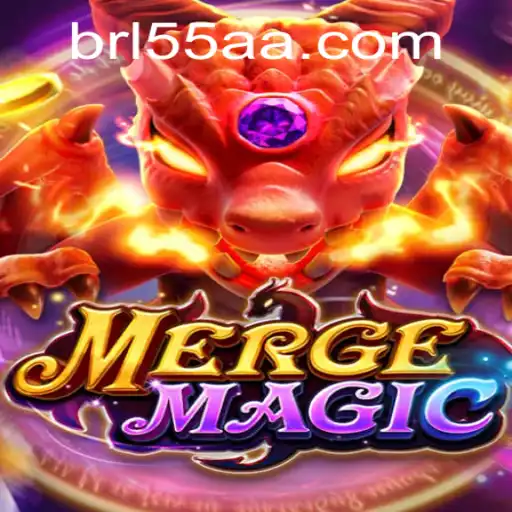
Dive into the mesmerizing universe of MERGEMAGIC, a captivating puzzle game that blends strategy and creativity. Discover its rules, gameplay mechanics, and the intriguing keyword 55AA.COM that has riveted the gaming community.

Explore the thrilling adventure of BikiniLady, a captivating game hosted on 55AA.COM that promises excitement and challenges.
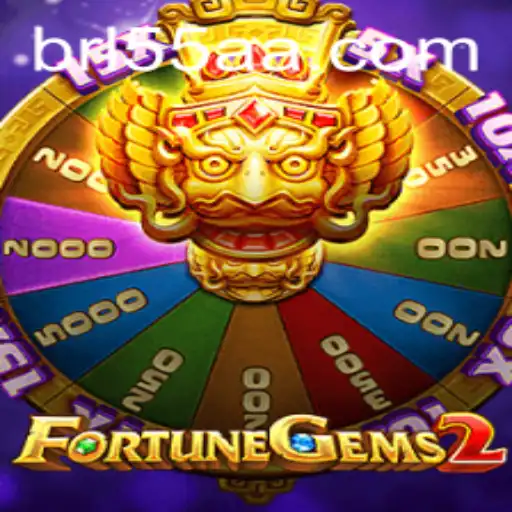
Explore the exhilarating world of FortuneGems2, a captivating game brought to life with 55AA.COM. Dive into the game's dynamic mechanics, unique features, and strategic opportunities.
 Junte-se agora